
Insights/September 29, 2026
Easements Cut the Width
3 min read · Acquisitions team
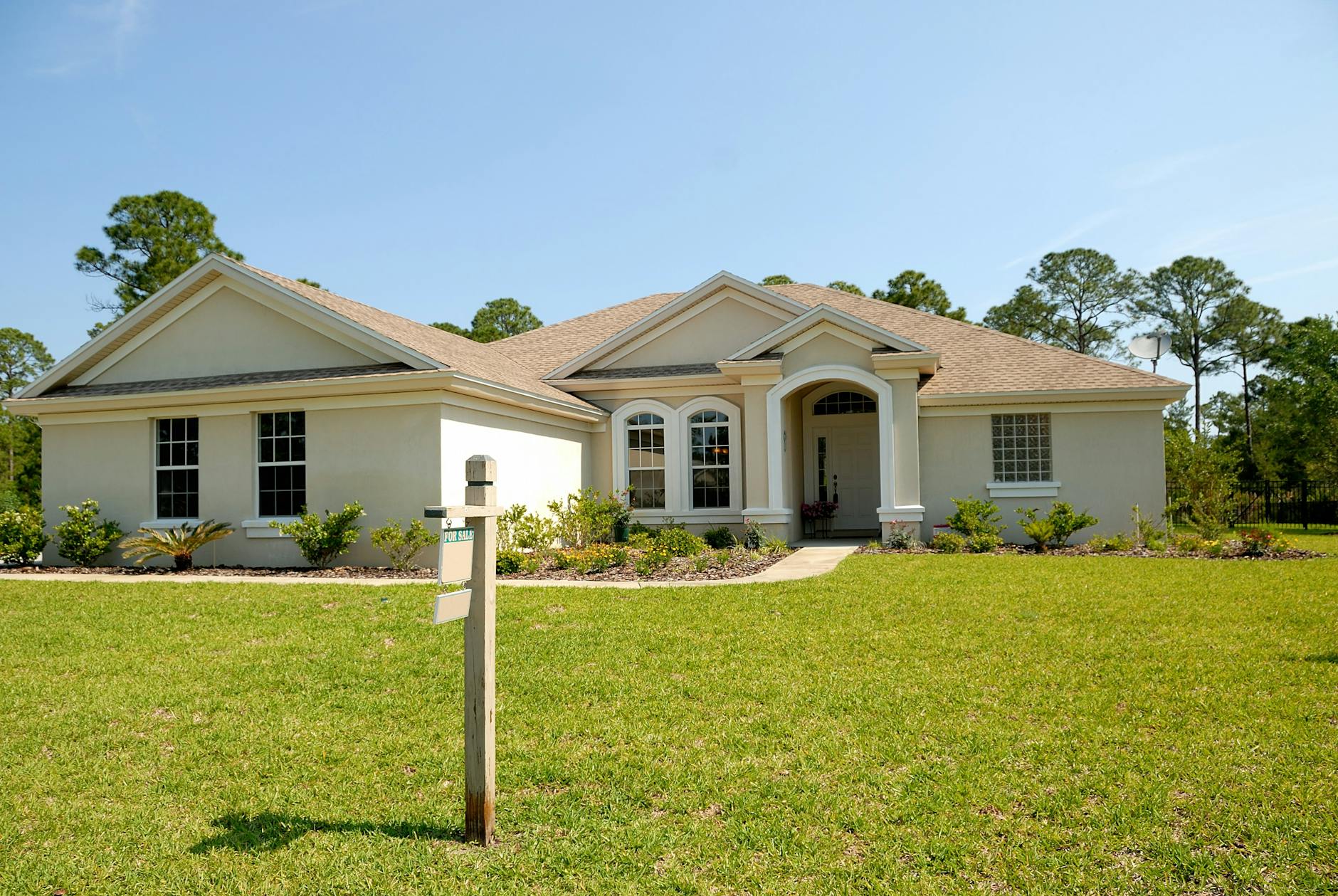
Sellers often price from the fence line. Developers underwrite the strip the easements leave. A recorded utility or drainage easement can pull five, ten, or more feet off one side before the house even meets the setback. The aerial still looks wide. The pad is not.
A Property Acquisition Specialist puts the easements next to the offer. Same page. Same honesty.
The fence is not the usable width
A side yard can hide a utility strip. A rear line can hide a drainage channel the city will not let you fill. A shared drive can eat the garage lane the product needs. None of that shows as clearly as a tree line on a listing photo.
If the planned house cannot land inside the clear width without moving an easement, the number was for a different lot. Say that early.
Ask what is recorded
Ask for the survey, the recorded easements, and any utility letters before you argue the ask. Ask how each strip changes the usable width and the outdoor room. Ask whether a release or relocation is realistic in writing.
A verbal note that the utility is flexible belongs in a conversation, not in the line that sets the pad. Short written answers keep both sides honest.
Price the lot the easements allow
If the planned product needs a footprint the clear width cannot hold, say so on the page. Developers who underwrite the pad they can actually draw can answer in land terms and stay in the file. Owners who learn the limit after the handshake watch the number move.
A Property Acquisition Specialist will walk the easements in plain language. Name what the clear width allows. Then talk price.