
Insights/August 6, 2026
The Land Squeeze: Why Buildable Lots Are Getting Harder to Find in Middle Tennessee
3 min read · Acquisitions team
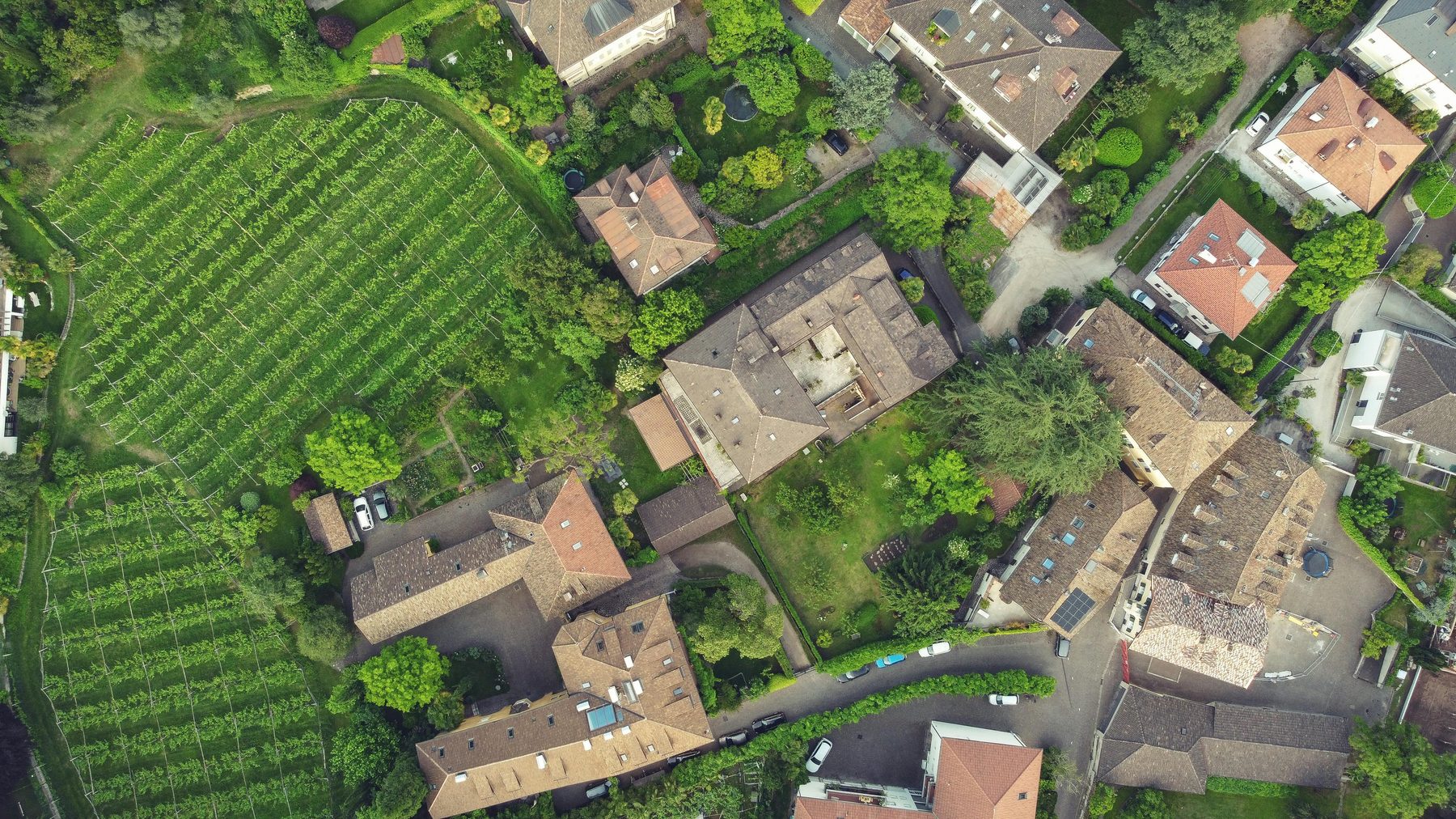
Drive through Middle Tennessee and it looks like there is land everywhere. Open fields, wide lots, quiet streets with plenty of room. But talk to the builders working here and you will hear something different: finding a lot they can actually build on has become one of the hardest parts of the job. That gap between how much land exists and how much of it is truly buildable is reshaping property values across the region.
Growth Arrived Faster Than the Land Supply
Middle Tennessee has been absorbing new residents for years, and the housing supply has never quite caught up. Every new subdivision, apartment community, and infill project consumes a finite resource. Land inside established areas does not regenerate. Once a parcel is developed, it leaves the pool permanently.
Meanwhile, the easiest land went first. The large tracts near existing roads, water, and sewer were the first to trade. What remains is often harder: steeper terrain, awkward shapes, restrictive zoning, or parcels that need utility work before a single foundation can be poured. Builders still need inventory, so they keep looking, and they keep paying more for the parcels that work.
What a Shortage Does to Land Prices
When buildable land is scarce, competition moves upstream. Builders stop waiting for listed lots and start hunting for properties before they hit the market. They widen their search areas. They accept smaller parcels they would have passed on a few years ago. And they raise what they will pay, because the cost of an idle crew and an empty pipeline is worse than paying a little more for the right site.
That pressure does not show up in the usual home price headlines, which track finished houses. It shows up in what someone will pay for the dirt underneath them.
Older Homes Are Now Part of the Land Supply
This is where a lot of longtime owners get surprised. When raw land runs short, builders turn to established neighborhoods with older, smaller houses on generous lots. The structure becomes secondary. A dated kitchen, an aging roof, or a floor plan nobody builds anymore stops being a discount if the parcel itself is the prize.
Owners in those neighborhoods often price their property by comparing it to the house next door that sold last spring. A builder is doing entirely different math, based on what can be built and what it will sell for when finished.
What This Means If You Own Property Here
You do not need to sell to benefit from knowing where you stand. But you should know whether your property is sitting in the path of this demand, because the answer changes your options. If the land under your house is worth more than the house itself, a traditional listing may not surface that value at all.
The land squeeze is not a temporary blip. It is the predictable result of sustained growth meeting a fixed supply, and it rewards owners who understand what they actually hold.