
Insights/August 10, 2026
When Builders Buy on Your Street: What Nearby Teardowns Mean for Your Property Value
3 min read · Acquisitions team
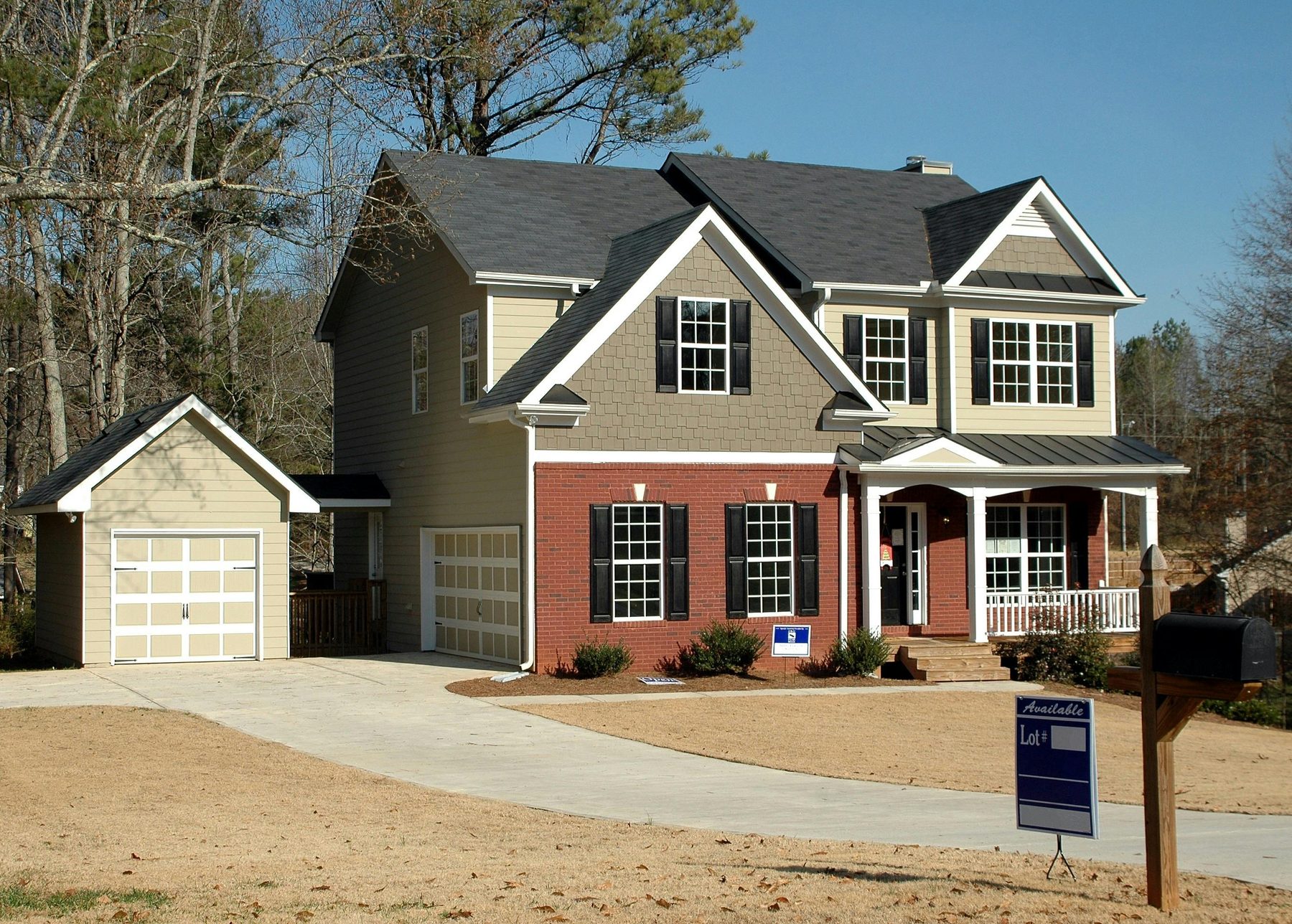
A dumpster appears in a driveway three doors down. A few weeks later the house is gone, and by fall there is a framing crew where a 1962 ranch used to be. If that scene sounds familiar, your street is telling you something about what your own property is worth. Builder activity nearby is one of the most reliable early indicators that land values are moving, and it is worth understanding what it means for you.
A nearby teardown is a market signal
Builders do not buy lots casually. Before a builder pays for a house they intend to remove, they have run the numbers on land cost, construction cost, and what the finished home will sell for, and all three had to work. A teardown on your street means professional buyers have already done that math for your area and liked the answer. That is not a guess about the neighborhood’s direction. It is a wager with real money behind it.
Why new construction lifts the land around it
Each new build resets the comparable sales on the street. When a $900,000 home replaces a $380,000 one, the next builder’s numbers get easier to justify, and the one after that easier still. Land value, not house value, is doing the moving: the older homes nearby did not get new kitchens overnight, but the lots under them are now candidates for the same transformation. This is the Property Value Gap in action, and it tends to widen block by block.
Reading the signs on your own street
Beyond the obvious dumpster, watch for investor letters and calls picking up, surveyors or soil engineers at neighboring properties, older homes selling quickly without ever hitting the open market, and new construction pricing well above what existing homes sell for. None of these guarantees anything on its own, but two or more together usually mean builder demand has arrived. Owners who understand what they hold negotiate from a much stronger position than owners who only compare their home to other old houses.
What to do if the builders have arrived
You do not need to sell just because the street is changing. But you should know your number. A traditional appraisal can lag in a transitioning area because it leans on the wrong comps: renovated homes rather than land sales. An evaluation that prices your lot the way a builder would often lands meaningfully higher for well-located properties. Knowing both numbers costs nothing, and it turns the next investor letter from an annoyance into a data point you can judge.